This Year You Get $14.00 For Healthcare

Malawi Healthcare, Medical, About Malawi


    The disparity between the first world nations and those near the bottom of the economic ladder is seen in recent statistics that report the amount of money the nation of Malawi is able to spend on each person for healthcare, compared with the United States.

    Two examples of this disparity are seen in the fact in 2004 the Republic of Ireland spent an average of $3,226.00 for each of its citizens for healthcare. During that same 12 month period Malawi was only able to spend $14.00 per person.

   
                                                                                                                                                                                                    (Source World Health Organization)

When Does 12,000 Equal 380,000?

Medical, Be The Change


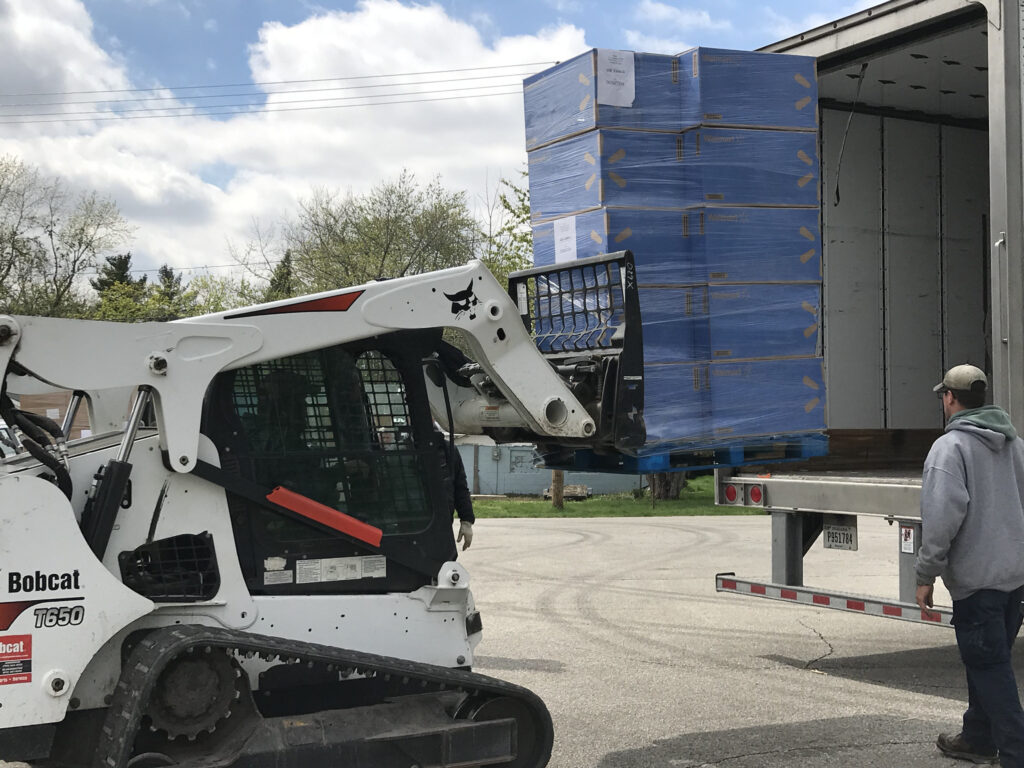
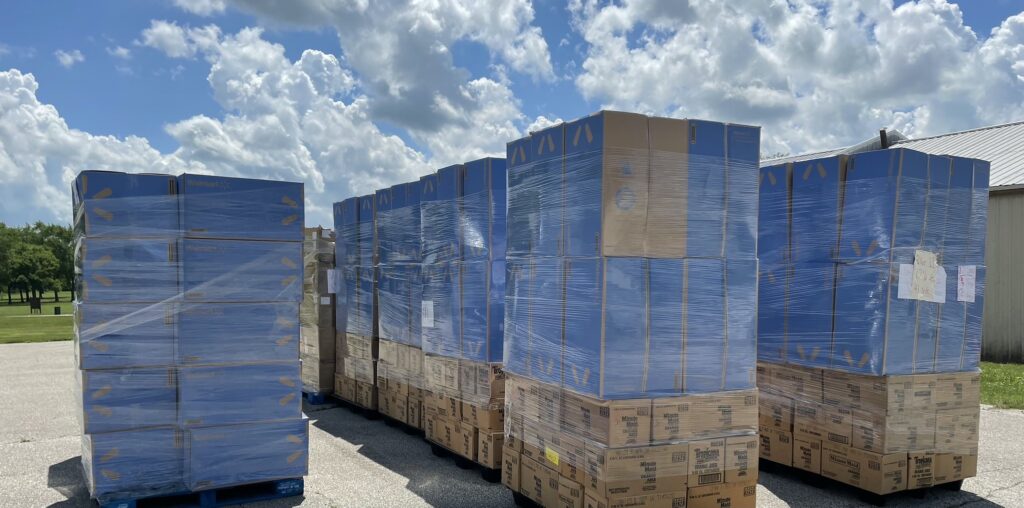
     In mid-2007 two shipments of medical supplies and equipment made their way from Indianapolis, Indiana to Lilongwe, Malawi destined to assist a first tier hospital in the capital city. Bottom Hospital recently changed its name to Bwaila Hospital, but the destitute conditions of a fourth world nation still exist that have part of the poverty of this poor portion of Africa’s sub-Sahara for far too many years.

    "The cost to get these trailers from the U.S. to Malawi is extremely high," reports Suzi Stephens, Medical Director of the Malawi Project. "For instance, the cost for these two trailers was approximately $12,000.00 each. But the contents of these two trailers totaled $768,710.00 for the two. Another way to put it is that a $12,000.00 contribution to help this third world nation can deliver over $380,000.00 in critically needed goods. This is one unimaginable expansion of value to our contributors. It happens because of a vast network of contributors who make these goods possible to the Project without any cost."


Suzi concludes, "The pictures taken in this small rural hospital of one of the bathtubs and in the surgery center reflect the reason we are in Malawi, and the reason it is critical that we continue to get medical supplies into  the country. They need us and they need to resources that we can deliver to their badly broken health-care system."


A 17 Year Old Riding On His Mother’s Back

People of Malawi, Malawi Healthcare, Wheelchairs, Medical, Be The Change, About Malawi

One Can Little Imagine the Scene

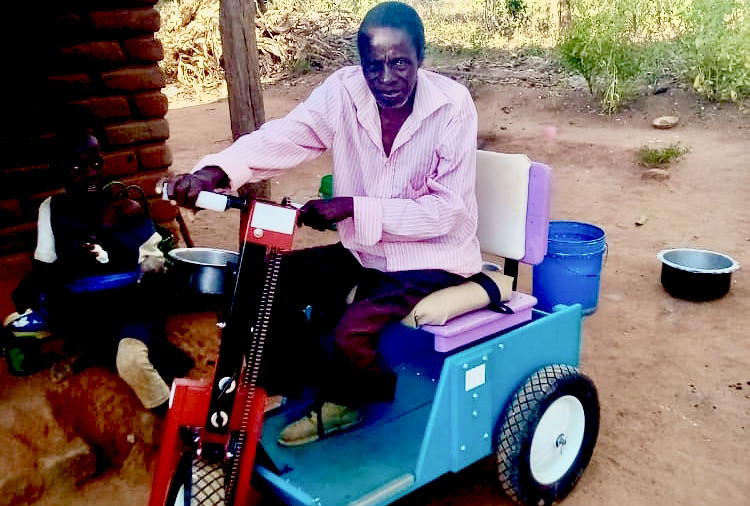
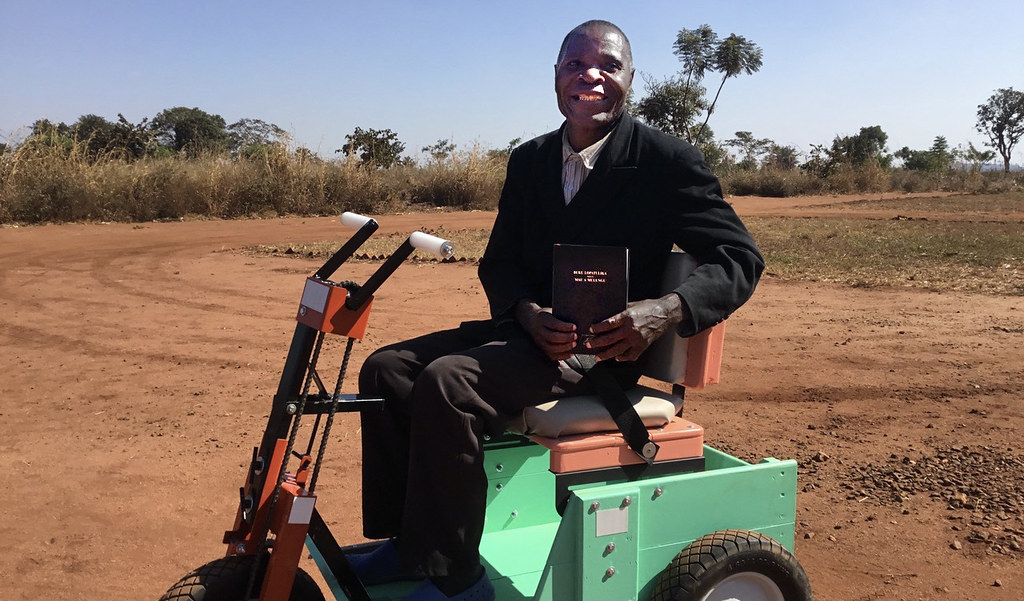
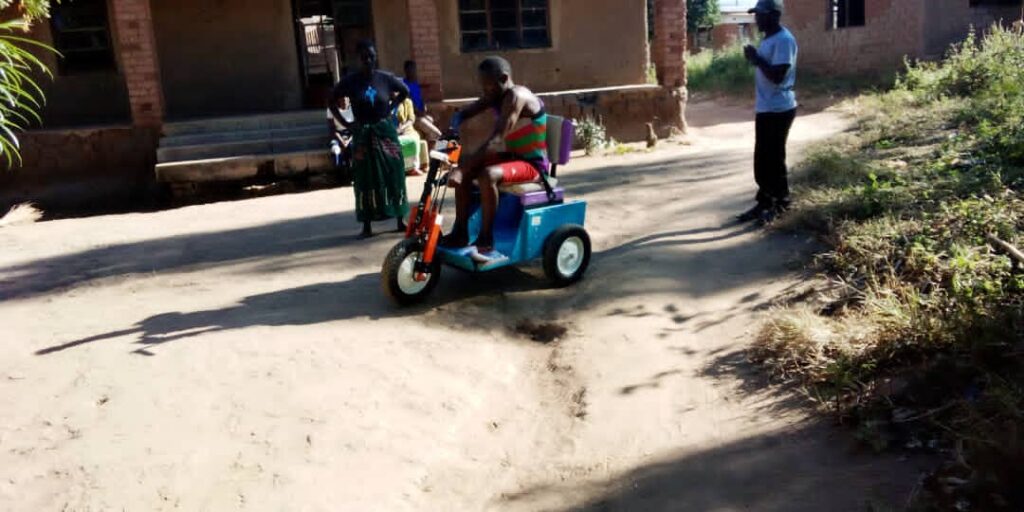
    One can little imagine what it must be like for a mother to spend 17 years of her life carrying her child on her back everywhere she goes. Yet this is what happened to Afilo Mkwapatira’s mother. Afilo is 17 years old and comes from the Kuiza Village in the Dedza District * of central Malawi. He and his mother live within the jurisdiction of tribal chief Tambalo. Afilo has never been able to move about by himself, nor has he ever been able to speak.

    Then through the assistance of the Free Wheelchair Mission in Irvine, California and the Malawi Project in Indianapolis, Indiana; Afilo was able to receive a wheelchair.

    Even today Afilo cannot speak but his mother is able to speak for him. "Today is a day of deliverance. For the past 17 years I have carried Afilo on my back. I have been looking for this day to come to my life. God indeed has heard my crying and prayers. I will now be able to do work at home, and support my son and my other children."

* The Dedza District of Malawi is the district or state just south of the capital of Lilongwe. It straddles the main highway through the nation, highway M-1 and is the home of the famous cave drawings that date back into the 1500’s. Its population in 2001 was 526,874. In 2008 the population is estimated to be 669,511. Like most of the countryside of Malawi there are almost no paved roads, no electricity, no telephones, scarce healthcare, and a struggling educational system. With an income of little more than $100.00 a year the population of the countryside can offer little help to the federal government in the way of tax revenue, and thus the federal government is helpless to be able to assist the village people in their basic needs. Although a federal governmental system is in place much of the governance of the village areas is still in the hands of the ancient tribal system of government.

Seeing What I Have Never Seen

Malawi Healthcare, Medical

A Great Day For Everyone

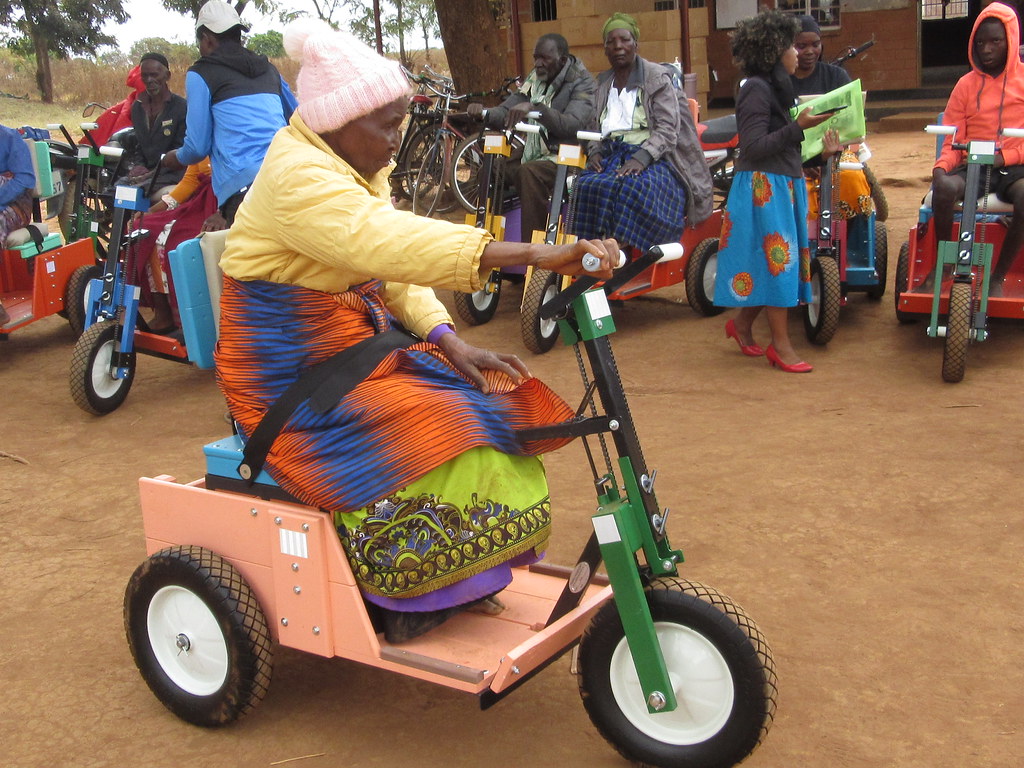
            They came that day from all corners of Salima District in eastern Malawi. It was not only a big day for those with mobility problems, but it was a big day for the blind, albinos, the deaf, the dumb and any other disability known to man kind, including even the elderly and the orphans who were present to receive from Kuthandiza Osayenda Disability Outreach (KODO) the various items the Malawi Project and its supporters had recently sent to Malawi. After the shipment arrived KODO organized the ceremony, which was presided over by the District Commissioner, in order to give the much-needed humanitarian aid to these most needy citizens in the district. The items, which ranged from beddings, clothes, shoes, wheelchairs, crutches, walking sticks, frames, shower seats, toilet-seats, vegetable soup, and kitchen items, were freely donated to these people. It was a joyful day to see happy people receiving things some of them have never used before in their lives.

Now I Can See Salima

Malawi Man in a Wheelchair "To day I can now move around Salima Town to all of the places I have never seen, since the day of my birth, because of mobility problems. Now that I have this wheelchair, I need to see this town," says Mr. Husen Selemani as he pulls away in his wheelchair carrying his bag packed with other items heading for Salima Town.

    Four hundred (400) people benefited from the shipment of supplies on this day alone, with so many of them having multiple disabilities, i.e. no legs, no arms, blind, dumb and deaf in one person.


Wheelchairs Stand at Attention

Malawi Healthcare, Wheelchairs, Medical

     Indianapolis, Indiana … As the Director for the Malawi Project prepares to take the picture Richard Stephens sights into the camera lens and notes how it appeares "the wheelchairs look like they are standing at attention." He and the Medical Director for the Malawi Project, Suzi Stephens are making an appraisal of supplies that will soon be making their way to the Kachere Orthopedic Rehabilitation Hospital in Blantyre, Malawi. Among the supplies that will fill a 40-foot semi trailer are a large number of wheelchairs that are sorely needed in Malawi, the third poorest nation on earth.

    Stephens notes, "This shipment will be the second shipment to Kachere in the past three months. The orthopedic hospital is in turn are making some of the supplies available to Queen Elizabeth Hospital, the largest in the southern region of Malawi, the Bangwe Weaving Factory, a companion facility that is assisting the handicapped and also in Blantyre, and the Naminkango Maternity Hospital in Thondwe, a small trading center just east of the commercial center of Blantyre." Stephens concludes, "We are pleased with the new relationship that is developing between the Malawi Project and the medical facilities in the area around Blantyre. It is fitting very well into our plans that are designed to expand aid throughout the nation of Malawi. We owe a note of appreciation to Mama Cecelia Kadzamira who has helped to bring these contacts into a working relationship to the benefit of the people of Malawi."